Setting up Roku Smart Light Bulbs is pretty straightforward if you follow these steps. Here’s a guide based on our research and the manufacturer's instructions to help you out, especially if you're planning to use them with voice assistants like Amazon Alexa or Google Assistant.
Let's dive in:
Step 1: Install the Roku Smart Light Bulbs
First off, screw in the Roku Smart Light Bulbs into the light fixtures where you want them. Make sure the power is off while you're doing this.
Step 2: Download the Roku App
Next, download the Roku app from the App Store or Google Play if you haven’t already.
Open the app and log into your Roku account.
Step 3: Connect the Bulbs to Your Wi-Fi Network
In the Roku app, go to the 'Devices' section and follow the prompts to add a new device. The app will guide you through connecting your Roku Smart Light Bulbs to your 2.4 GHz home Wi-Fi network.
Step 4: Enable Voice Assistants (Optional)
If you want to use Alexa or Google Assistant, you'll need to set that up:
For Alexa Users:
-
Open the Alexa app on your phone.
-
Go to 'Devices' and select 'Add Device.'
-
Choose 'Light' as the device type and follow the prompts to link your Roku account with Alexa.
-
Say, “Alexa, discover devices,” and your Roku Smart Light Bulbs should show up.
Now you can use voice commands like, “Alexa, turn on the living room lights.”
For Google Assistant Users:
-
Open the Google Home app on your phone.
-
Tap the '+' icon to add a new device and choose 'Set up device' > 'Works with Google.'
-
Search for 'Roku' and follow the prompts to link your Roku account with Google Assistant.
-
Once linked, try commands like, “Hey Google, turn off the kitchen lights.”
Troubleshooting Tips
Sometimes, things don't go as smoothly as we'd like. According to our research, here are some common issues and fixes:
-
Firmware Updates: Make sure your firmware is up-to-date in the Roku app under Device Settings. This can solve some connectivity problems.
-
Network Issues: Ensure your Wi-Fi signal is strong where the bulbs are installed. You might need to move your router or add a Wi-Fi extender.
-
Customer Support: If you're still having trouble, reaching out to Roku support might be your best bet. They can provide more tailored solutions for your setup.
Final Thoughts
If you're already using Roku and Alexa, these smart bulbs should fit right into your home automation setup.
Most folks find them easy to set up and use, though you might need to troubleshoot occasionally.
Enjoy your new smart lighting!
We may earn a commission when you buy through these links, at no extra cost to you. How ShopSavvy makes money
How we researched this
Where this comes from: this answer draws on the product's published specifications and the reviews ShopSavvy collected for it, alongside prices from 3 retailers in ShopSavvy's price data, most recently seen Aug 28, 2024.
Where to Buy


Considering the Roku Smart Light Bulbs (Color, 2-Pack)?
Here's our "TLDR" Review
 Download ShopSavvy App

Compare prices across tens of thousands of stores, set price alerts, watch for deals by keyword, and much more.
 Install ShopSavvy Browser Extension

Compare and track prices automatically while you shop online at thousands of websites.
More Answers
If you're still curious about the Roku Smart Light Bulbs (Color, 2-Pack), here are some other answers you might find interesting:
- 💡 Do Roku Smart Light Bulbs work without WiFi?
Roku Smart Light Bulbs need WiFi to function fully, especially if you want to use them with Alexa or Google Assistant. You can control these bulbs with voice...
- 💡 What colors can Roku Smart Light Bulbs display?
Roku Smart Light Bulbs can show a ton of colors—over 16 million, to be exact. This means you can pick pretty much any color you can think of. Want a chill blue...
- 💡 Can Roku Smart Light Bulbs connect to Alexa?
Yep, you can connect Roku Smart Light Bulbs (Color, 2-Pack) to Alexa, that's what the manufacturer says. But, from what we've found, the experience can be hit...
- 💡 How bright are the Roku Smart Light Bulbs?
Hey! So, about the brightness of those Roku Smart Light Bulbs—here's the scoop from what we've found out. These bulbs put out around 800 lumens, which is...
Alternatives to Consider
If the Roku Smart Light Bulbs (Color, 2-Pack) doesn't quite fit your needs, here are some other options to consider:
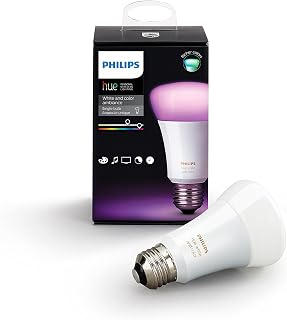
Philips Hue White and Color Ambiance LED Smart Bulb (A19)
The Philips Hue Smart Bulb integrates seamlessly with a broader range of smart home devices compared to the Roku Smart Bulbs. It's compatible with Apple HomeKit, Zigbee, and more, allowing you to expand your smart home setup effortlessly.

GE Cync Smart LED Light Bulb
Unlike the Roku Smart Bulbs, the GE Cync Smart LED Light Bulb is compatible with a wider variety of devices, including Alexa, Google Assistant, and certain smart home hubs. This flexibility offers more options for customizing your smart home experience.