Trending Articles

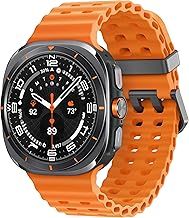
How accurate is the Samsung Galaxy Watch Ultra for fitness tracking?
Best Dehumidifiers for Bathrooms in 2025

TLDR Review: "reMarkable Paper Tablet Pro Bundle"

How accurate is the heart rate monitoring on the Fitbit Charge 6?


Find exactly what you're looking for with our specialized content categories
Well-researched expert reviews with straightforward pros, cons, and a bottom line
Curated recommendations in popular categories, expertly researched and selected
Expertly researched answers to specific questions about products and features
Data-driven seasonal shopping guides based on actual price and deal history
Absolutely! The Galaxy S24 plays really well with wireless charging, and honestly, once you get used to it, you'll wonder how you lived without it.
Here's the thing—Samsung doesn't include a wireless charger with the Galaxy S24 anymore, which is a bit of a bummer. But the good news is that your phone is ready to work with pretty much any wireless charger you can find.
It works with everything:
With the right charger, you'll get up to 15W of wireless charging power, which isn't lightning fast, but it's pretty decent. It'll take about 2-3 hours to fully charge your phone wirelessly versus about 90 minutes with a cable.
But here's where it gets cool—most people use wireless charging differently. You plop your phone down on your nightstand charger when you go to bed, or on your desk pad while you work. You're not sitting there waiting for it to charge; it's just constantly topping off throughout the day.
Get the best wireless charging experience with these top-rated Galaxy S24 wireless chargers including fast-charging stands and portable charging pads.
This is where the Galaxy S24 really shines. You can actually use your phone to wirelessly charge other devices. Dead Galaxy Buds? Just stick them on the back of your phone. Friend's iPhone running low? Your Galaxy S24 can give it a little juice boost.
It's not super fast, but it's incredibly handy in a pinch.
If you're on the fence about wireless charging, the Galaxy S24 makes it really easy to dip your toes in. Any Qi charger will work, so you're not locked into expensive Samsung accessories. Start with a basic charging pad and see how you like it—chances are, you'll end up getting one for every room.
The Galaxy S24's camera performance in low light is... well, it's complicated. You'll get some really solid shots, but there are definitely moments when you might find yourself wishing for better.
When the Galaxy S24's camera hits its sweet spot, it actually performs quite nicely in challenging light. The 50MP main sensor with that f/1.8 aperture does a decent job gathering light, and the Night mode can genuinely salvage photos that would otherwise be unusable.
Where you'll be happy:
Here's where things get real—some users have reported genuinely frustrating experiences with low-light photography. The camera can produce grainy images, struggle with white balance (hello, yellow tint!), and sometimes just lacks the crisp sharpness you'd expect from a flagship phone.
Common complaints from actual users:
Look, the Galaxy S24 isn't going to replace your dedicated camera for serious low-light photography. But for most people taking photos at dinner, family gatherings, or evening events, it'll get the job done.
The key is understanding when to use Night mode (spoiler: use it more than you think) and accepting that sometimes you'll need to take a few shots to get one that really pops.
Enhance your photography with these Galaxy S24 camera accessories including phone tripods and lens attachments for better low-light results.
Is it good enough for most people? Absolutely. Will photography enthusiasts be blown away? Probably not. It's a solid, capable camera that handles low light better than budget phones but doesn't quite reach the computational photography magic of Google Pixel phones.
When you're considering the Galaxy S24, battery life is probably one of your biggest concerns—and rightfully so. Nobody wants to be tethered to a charger all day. Here's the real scoop on what you can expect from the S24's 4,000 mAh battery.
If you're a casual user who mainly uses your phone for calls, texting, and light browsing, you're in for a treat. Most people in this category easily get 24-28 hours of use, sometimes even stretching into day two.
For the average smartphone user who's scrolling social media, streaming videos, taking photos, and juggling multiple apps throughout the day, expect a solid 18-22 hours. That means you'll comfortably make it through your day with juice to spare.
Heavy users and power users shouldn't worry either. Even with intensive gaming sessions, video recording, or using GPS navigation extensively, you're looking at 12-16 hours of usage. That's still enough to get through most demanding days.
Here's where the Galaxy S24 really shines—it's smart about managing power. The phone learns how you use it and adjusts accordingly. Those apps you opened once and forgot about? The S24 keeps them from secretly draining your battery in the background.
Quick battery boosters:
Maximize your battery life with these Galaxy S24 accessories on Amazon, including wireless charging pads and portable power banks designed specifically for Samsung devices.
Most Galaxy S24 users report ending their day with 20-40% battery left, which is exactly what you want in a phone—reliable performance without battery anxiety. The 4,000 mAh capacity might look small on paper, but Samsung's optimization makes it work effectively in real life.
Stand mixers represent one of the most significant kitchen appliance investments, with the right choice providing decades of reliable baking performance. However, the market offers overwhelming options from basic budget models to professional-grade units costing hundreds of dollars.
Our testing focuses on real-world performance across diverse baking tasks, from delicate cake batters to heavy bread doughs that challenge motor capabilities. These recommendations prioritize long-term value and proven reliability over flashy features that don't improve actual baking results.
Each mixer has demonstrated consistent performance through extensive testing, offering solutions for different baking frequencies, batch sizes, and budget considerations.
Here's the reality about Ring doorbells that marketing doesn't emphasize: while you can use them without a subscription, you're missing most features that justify the purchase.
Without paying for Ring Protect, your doorbell functions as an expensive intercom system:
That's the complete free functionality. No recordings, no video history, no evidence collection.
All the security features you likely bought the doorbell for require monthly fees:
Ring's actual ownership cost structure:
The Ring Protect Plus plan at /year covers unlimited devices and includes professional monitoring features.
Most Ring owners follow this pattern:
Without recordings, security alerts become frustratingly pointless - you know something happened but have no evidence or details.
The live-only experience works for very specific scenarios:
However, 90% of users purchasing Ring doorbells for security purposes find free functionality inadequate.
Ring's strategy prioritizes recurring subscription revenue over hardware sales. The doorbell serves as an entry point to monthly billing rather than a complete one-time purchase.
Before buying, honestly evaluate whether you're comfortable with -100 annual ongoing costs for full functionality. If subscription fees concern you, consider alternatives with local storage capabilities or one-time payment models.
Ring doorbells provide excellent security features when fully subscribed, but don't expect complete functionality from the initial hardware investment alone.
Let's address the reality behind Ring's battery life claims. While Ring advertises "up to 6 months" of operation, real-world performance typically ranges from 2-8 weeks between charges, and that's completely normal for smart doorbell operation.
Don't worry if your Ring doorbell needs charging far more frequently than Ring's marketing suggests. Here's what actual users experience:
High-traffic locations (busy streets, apartment buildings): 2-3 weeks between charges. Your doorbell triggers constantly from foot traffic, delivery drivers, and passersby - like having an always-alert security system.
Typical suburban homes: Most users get 3-6 weeks between charges with normal family activity, occasional deliveries, and regular neighborhood movement.
Rural or private properties with minimal traffic can achieve 6-8 weeks, though those advertised 6-month claims remain largely theoretical.
Motion detection frequency is the biggest power consumer. Each trigger event requires your doorbell to wake up, record video, send notifications, and upload footage to the cloud. High-activity locations dramatically reduce battery life.
Cold weather devastatingly impacts performance. Temperatures below 40°F can reduce battery life by 50% or more. Users in northern climates often report weekly charging needs during winter months, as lithium-ion batteries lose significant capacity in cold conditions.
WiFi signal strength also affects consumption. Poor connectivity forces your doorbell to work harder maintaining connection, accelerating battery drain. Optimal signal strength (RSSI between 0 and -60) helps maximize battery life.
Configure smart motion zones to focus on areas that matter - your porch and walkway rather than street traffic. This single adjustment can double your battery life.
Limit live view usage to essential monitoring. While convenient, frequent live viewing significantly increases power consumption.
Consider purchasing a spare battery pack. This investment allows 30-second battery swaps instead of 5-6 hour charging downtime.
If you live in a cold climate, accept that winter reduces battery performance significantly. Your charging frequency may increase to weekly during the coldest months. Some users temporarily relocate their doorbells during extreme weather events.
Despite the charging routine, most users find the security and convenience benefits justify the maintenance. Set realistic expectations: plan for monthly charging cycles, budget for a spare battery, and ignore the 6-month marketing claims.
Modern Ring models like the Video Doorbell 4 and Battery Doorbell Pro include enhanced power management, though they still operate within these realistic timeframes under normal usage conditions.
Download ShopSavvy AppCompare prices for anything in real-time, set price alerts, watch for deals by keyword, and much more
Install ShopSavvy Browser ExtensionCompare and track prices automatically while you shop online at thousands of websites.
Get the latest news, and updates on ShopSavvy. You'll be glad you did!