Trending Articles

Can you cook frozen meat in the Instant Pot Duo 7-in-1?

Best Smart Displays for 2025

TLDR Review: "Tetris My Play Watch"

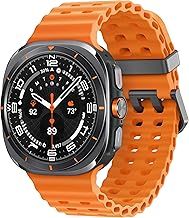
Is the Samsung Galaxy Watch Ultra worth the price compared to other models?


Find exactly what you're looking for with our specialized content categories
Well-researched expert reviews with straightforward pros, cons, and a bottom line
Curated recommendations in popular categories, expertly researched and selected
Expertly researched answers to specific questions about products and features
Data-driven seasonal shopping guides based on actual price and deal history
Google has ended Samsung's exclusivity period for one of Circle to Search's most useful features, bringing continuous translation capabilities to Pixel smartphones.
As part of yesterday's Android 16 QPR2 launch and the latest Google features drop, Pixel users can now access continuous Circle to Search translations. This feature was previously available only on Samsung Galaxy devices through an exclusivity agreement with Google.
The continuous translation feature allows users to translate text on their screen while scrolling through content without having to reinitiate Circle to Search for each new portion of text. This makes translating longer articles, social media feeds, or multi-page documents significantly more seamless and efficient.
Circle to Search has become one of Android's most popular AI-powered features, allowing users to search for anything on their screen by simply circling, highlighting, or tapping on it. The addition of continuous translation enhances this functionality by eliminating the need to repeatedly activate the feature while reading through foreign language content.
For Pixel users who frequently consume content in multiple languages—whether browsing international news sites, reading social media posts, or shopping on foreign websites—this update removes a significant friction point in the translation experience.
The feature is rolling out now to Pixel devices as part of the Android 16 QPR2 update and December feature drop. The timing of this release suggests Google maintained Samsung's exclusivity window for several months before expanding the capability to its own Pixel lineup.
The premium tablet market has two new flagship contenders vying for consumer attention. Apple has released its latest iPad Pro equipped with the next-generation M5 chip, while Samsung has refreshed its tablet lineup with the debut of the Galaxy Tab S11 Ultra.
Apple's newest iPad Pro represents a significant upgrade with the introduction of the M5 chip, continuing the company's tradition of bringing Mac-level performance to its tablet lineup. This next-generation processor follows the M4 chip and promises enhanced performance capabilities for professional users and creatives who rely on tablets for demanding workflows.
Samsung has countered Apple's release with its own premium offering, the Galaxy Tab S11 Ultra. As part of a broader refresh of Samsung's tablet lineup, the S11 Ultra positions itself as the company's flagship Android tablet, designed to compete directly with Apple's Pro-level offerings.
The simultaneous availability of these two premium tablets gives consumers meaningful choice in the high-end tablet segment. Buyers must now weigh factors including operating system preference (iPadOS vs. Android), processing power, ecosystem integration, and pricing when selecting their next premium tablet.
For professionals, creatives, and power users seeking tablet computers that can handle intensive workloads, this competition between Apple and Samsung's flagship offerings creates an important decision point. Both devices represent the pinnacle of tablet technology from their respective manufacturers, making the comparison between the M5 iPad Pro and Galaxy Tab S11 Ultra particularly relevant for those investing in premium mobile computing devices.
Proton has launched Proton Sheets, expanding its privacy-focused productivity suite with an encrypted spreadsheet application. The new tool aims to compete with established platforms like Google Sheets and Microsoft Excel while prioritizing user privacy through comprehensive encryption.
Unlike traditional spreadsheet applications, Proton Sheets encrypts all user data by default, including filenames. This end-to-end encryption ensures that spreadsheet content remains private and inaccessible to anyone except authorized users.
The application supports real-time collaboration, allowing multiple users to work on the same document simultaneously. Users maintain granular control over access permissions, determining who can view or edit their spreadsheets.
Proton Sheets is designed as a web application accessible across multiple platforms, including desktop and mobile devices. This cross-device compatibility ensures users can work on their spreadsheets regardless of their location or preferred device.
The platform supports importing existing files in CSV and Excel formats, making it easier for users to transition from other spreadsheet applications without losing their existing data.
Proton Sheets addresses growing concerns about data privacy in cloud-based productivity tools. While services like Google Sheets offer convenience, they have faced scrutiny over data collection practices. Proton's approach provides users with a familiar spreadsheet experience while ensuring their sensitive financial, business, or personal data remains encrypted and private.
The addition of Proton Sheets completes Proton's suite of privacy-focused productivity tools, joining existing services in the company's ecosystem. For users already invested in Proton's privacy-first philosophy, the new spreadsheet tool offers a cohesive solution for secure document collaboration and data management.
Apple's rumored budget-friendly iPhone 17e is shaping up to be more premium than initially expected, with new leaks suggesting the device will feature two notable design changes that could make it more appealing to cost-conscious consumers.
According to reports from 9to5Mac, the iPhone 17e will mark the first time Apple's Dynamic Island feature appears on a low-cost iPhone model. Dynamic Island, which debuted on the iPhone 14 Pro series, replaces the traditional notch with an interactive pill-shaped cutout that displays system alerts, ongoing activities, and Live Activities.
This represents a significant upgrade for Apple's budget lineup, which has typically lagged behind flagship models in adopting new design elements.
The second design change involves thinner bezels around the display, giving the iPhone 17e a more modern, premium appearance. Display details have leaked separately, though specific measurements have not been disclosed in available information.
These design updates suggest Apple is narrowing the gap between its budget and premium iPhone models, potentially offering better value for consumers who want modern iPhone features without paying flagship prices. The addition of Dynamic Island, in particular, could make the iPhone 17e more competitive with mid-range Android devices that have adopted similar technologies.
While pricing and availability details have not been announced, the iPhone 17e is expected to launch alongside other iPhone 17 models, likely in fall 2025. The "e" designation appears to position this model as a successor to previous budget-friendly iPhone variants.
Apple's latest iPhone 17 Pro lineup has quietly lost a camera feature that was present in last year's iPhone 16 Pro: the ability to capture Night mode photos while using Portrait mode.
According to an official Apple support document, the iPhone 17 Pro no longer supports Night mode when shooting in Portrait mode. This represents a step backward from the iPhone 16 Pro, which allowed users to combine both features for low-light portrait photography.
While Apple has promoted the iPhone 17 Pro as offering "a much-improved camera experience" over previous models, this specific functionality has been removed from the Camera app.
Night mode Portrait photography was a valuable feature for iPhone users who frequently take portrait photos in low-light conditions, such as indoor events, restaurants, or evening gatherings. The combination allowed for both the depth-of-field effect of Portrait mode and the enhanced low-light capabilities of Night mode.
For users upgrading from an iPhone 16 Pro to the iPhone 17 Pro, this represents a loss of functionality they may have relied on, despite other camera improvements in the new model.
The iPhone 17 Pro still offers Night mode for standard photo capture and Portrait mode for well-lit situations—users simply can no longer combine the two features in a single shot. Apple has not publicly explained the reasoning behind removing this capability from the latest Pro models.
Apple has rolled out the Release Candidate (RC) version of macOS Tahoe 26.2 to both developers and public beta testers, signaling that the official release is imminent. This update introduces a notable new feature for Mac users who frequently use video calling applications.
The headline feature in macOS Tahoe 26.2 is Edge Light, which enhances video call quality by adding a border of soft light around the display. This feature is designed to improve lighting conditions during video conferences, helping users appear better lit even in less-than-ideal environments.
The Release Candidate is currently available to registered developers and users enrolled in Apple's public beta program. To download macOS Tahoe 26.2, testers need to:
The release of a Release Candidate typically indicates that Apple has finished the major development work on this update and is conducting final testing before the public rollout. Users can expect the official version of macOS Tahoe 26.2 to arrive in the coming weeks.
The Edge Light feature addresses a common pain point for remote workers and anyone who regularly participates in video calls, offering a software-based solution to improve video call appearance without requiring additional hardware like ring lights or external lighting setups.
Mac users not enrolled in the beta program should expect to see this update become available through the standard Software Update mechanism once Apple completes its final testing phase.
Apple has officially released watchOS 26.2 for Apple Watch and tvOS 26.2 for Apple TV, delivering targeted improvements to both platforms.
According to Apple's official release notes, watchOS 26.2 includes four specific changes for Apple Watch users. The most significant update involves revised Sleep Score ranges that better align with how people actually feel after a night's sleep. This adjustment should provide more accurate and meaningful feedback about sleep quality.
The update is now available to download through the Settings app on compatible Apple Watch models.
Apple TV users receiving tvOS 26.2 will gain the ability to create profiles without an Apple Account. This feature makes it easier for households to set up personalized experiences on shared Apple TV devices without requiring every user to have their own Apple ID.
Both software updates are available now through the Settings app on each respective device. Apple Watch users can update by opening the Watch app on their paired iPhone, navigating to General > Software Update. Apple TV users can find the update in Settings > System > Software Updates.
These updates demonstrate Apple's continued refinement of its ecosystem devices. The Sleep Score adjustment addresses user feedback about the accuracy of health tracking metrics, while the tvOS profile change removes a barrier for multi-user households who may not want to create Apple Accounts for every family member.
While these aren't major feature releases, they represent the kind of incremental improvements that enhance day-to-day usability for millions of Apple device owners.
Apple has significantly expanded the availability of its health monitoring features across multiple countries, bringing potentially life-saving tools to millions of new users through the Apple Watch and AirPods.
Hypertension Notifications are now available in three new countries:
This feature alerts users to potential high blood pressure concerns, helping them monitor cardiovascular health directly from their wrist.
Sleep Apnea Notifications have launched in Colombia, enabling Apple Watch users to detect potential breathing disturbances during sleep—a condition that affects millions worldwide and often goes undiagnosed.
Apple's Hearing Test and Hearing Aid functionality has expanded to three additional countries:
These features transform compatible AirPods into clinical-grade hearing aids, allowing users to take hearing tests and receive personalized audio amplification without expensive medical devices.
These expansions represent a significant step in making advanced health monitoring accessible to broader populations. Hypertension and sleep apnea are serious conditions that can lead to heart disease, stroke, and other complications if left undetected. By integrating these monitoring capabilities into devices users already own, Apple removes barriers to early detection and intervention.
The hearing health features are particularly impactful, as hearing aids traditionally cost thousands of dollars and require multiple medical appointments. Apple's implementation allows users to assess and address hearing loss using AirPods they may already own.
These features require compatible Apple Watch models (typically Series 9 or later for newer features) and AirPods Pro 2 for hearing functionality. Users in newly supported countries should check for software updates to access these capabilities.

The Motorola Razr+ 2025 in Pantone Mocha Mousse is a stylish, well-built foldable that balances elegance with solid performance and camera capabilities, perfect for users who want a premium flip phone with a distinct look and reliable daily use. However, if you’re looking for cutting-edge specs, particularly faster performance or a more versatile camera system with an ultrawide lens, you might want to consider waiting for or exploring more top-tier foldables such as the Razr Ultra (2025) or competing devices with broader camera setups and stronger hardware options. If you value a unique design, excellent cover display usability, and battery life combined with fast charging, the Razr+ 2025 remains a compelling choice.
Apple's iPhone 17 lineup will introduce Ceramic Shield 2, an upgraded version of the company's screen protection technology that now includes anti-reflective properties. While this represents an advancement in display durability and visibility, it comes with an unexpected trade-off for consumers who rely on aftermarket screen protectors.
According to reports from 9to5Mac, standard screen protectors are not well-suited for the iPhone 17's new displays. The incompatibility appears to stem from the anti-reflective coating integrated into Ceramic Shield 2, which may interfere with how traditional screen protectors adhere to or interact with the display surface.
For iPhone users accustomed to adding an extra layer of protection to their devices, this development raises important questions about device care. Consumers may need to:
As the iPhone 17's launch approaches, accessory makers will need to adapt their products to work with the new display technology. Whether the improved Ceramic Shield 2 will prove robust enough to replace traditional screen protectors remains to be seen, but early indications suggest Apple is confident in the enhanced durability of its latest screen technology.
Download ShopSavvy AppCompare prices for anything in real-time, set price alerts, watch for deals by keyword, and much more
Install ShopSavvy Browser ExtensionCompare and track prices automatically while you shop online at thousands of websites.
Get the latest news, and updates on ShopSavvy. You'll be glad you did!