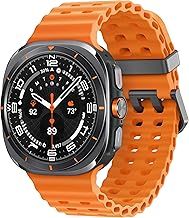
The Apple Watch Series 11 introduces Sleep Score, rating your sleep quality from 0 to 100 based on reliably measurable factors rather than speculative sleep stage analysis.
How Sleep Score Works
Apple's scoring emphasizes three components:
- Total duration (50 points): Actual hours of sleep
- Bedtime consistency (30 points): Regular sleep schedule adherence
- Interruptions (20 points): Frequency of overnight wake-ups
This methodology follows guidelines from the American Academy of Sleep Medicine and National Sleep Foundation, developed using over 5 million nights of tracked sleep data.
Sleep Stage Detection Accuracy
Clinical studies comparing Apple Watch to polysomnography (medical-grade sleep monitoring):
- Deep sleep detection: Approximately 62% accurate
- Common limitation: Confuses deep sleep with lighter core sleep, potentially underestimating deep sleep
- Sleep vs. wake detection: 95%+ accuracy
For context, the Oura Ring tested about 5% more accurate in sleep stage classification. All consumer devices have similar limitations compared to clinical equipment.
Real-World Performance
In practical use, Sleep Score reflects actual sleep quality:
- Disrupted nights: Scores in the 50s after late nights or poor sleep
- Well-rested nights: Scores in the 80-90 range
- Pattern identification: Late-night screen time consistently correlates with 8-12 point score decreases
The data proves useful for identifying actionable patterns in sleep habits.
Compared to Dedicated Trackers
For general wellness: The Series 11 provides useful, actionable sleep data that helps most users understand and improve their sleep.
For athletes optimizing recovery: Dedicated devices like Whoop or Oura offer more granular HRV trends, recovery scores, and strain metrics that Apple Watch doesn't match.
Additional Sleep Features
The Series 11 also monitors breathing patterns and can notify you of possible sleep apnea, adding health screening capability to sleep tracking.
Compare Apple Watch Series 11 prices to find the best current deal.