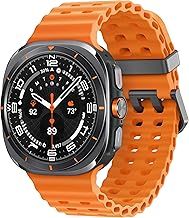
So about the heart rate monitoring on the Garmin Forerunner 965—it's generally well-received, though experiences can differ depending on how it's used.
Heart Rate Monitoring Accuracy
This model is geared towards athletes, especially runners and triathletes. From what we've found, it packs in some neat features like training readiness and status insights, which rely on heart rate variability (HRV), sleep quality, and training loads.
These insights give you a good snapshot of your fitness and help determine whether you're ready to crush your next workout or if you need more rest.
-
Training Readiness & Status: With HRV and other metrics, it tells you if you're good to go or if you should probably take it easy. It gives detailed insights into whether you're on track, reaching your peak, or overdoing it.
-
Running Dynamics: The watch also tracks things like cadence and stride length, which is useful if you're looking to tweak your running technique.
Versatility for Multi-sport Athletes
Aside from heart rate monitoring, it has sports profiles for triathlons, duathlons, and swimruns. This versatility is great if you're a triathlete who likes to seamlessly switch things up during events.
User Perspectives
Based on what we found, folks are mostly happy with it, although some mention that the heart rate monitor can be a bit inconsistent during high-intensity workouts or activities with a lot of arm movement.
This is a pretty common hiccup with wrist-based monitors, so if precision is key during those intense sessions, you might want to pair it with a chest strap for more accuracy.
Overall, the Forerunner 965 offers a lot of features and seems to be a solid pick if you're into serious fitness tracking. But, if super precise heart rate data is a must-have for you, just keep in mind the potential quirks with wrist-based sensors.