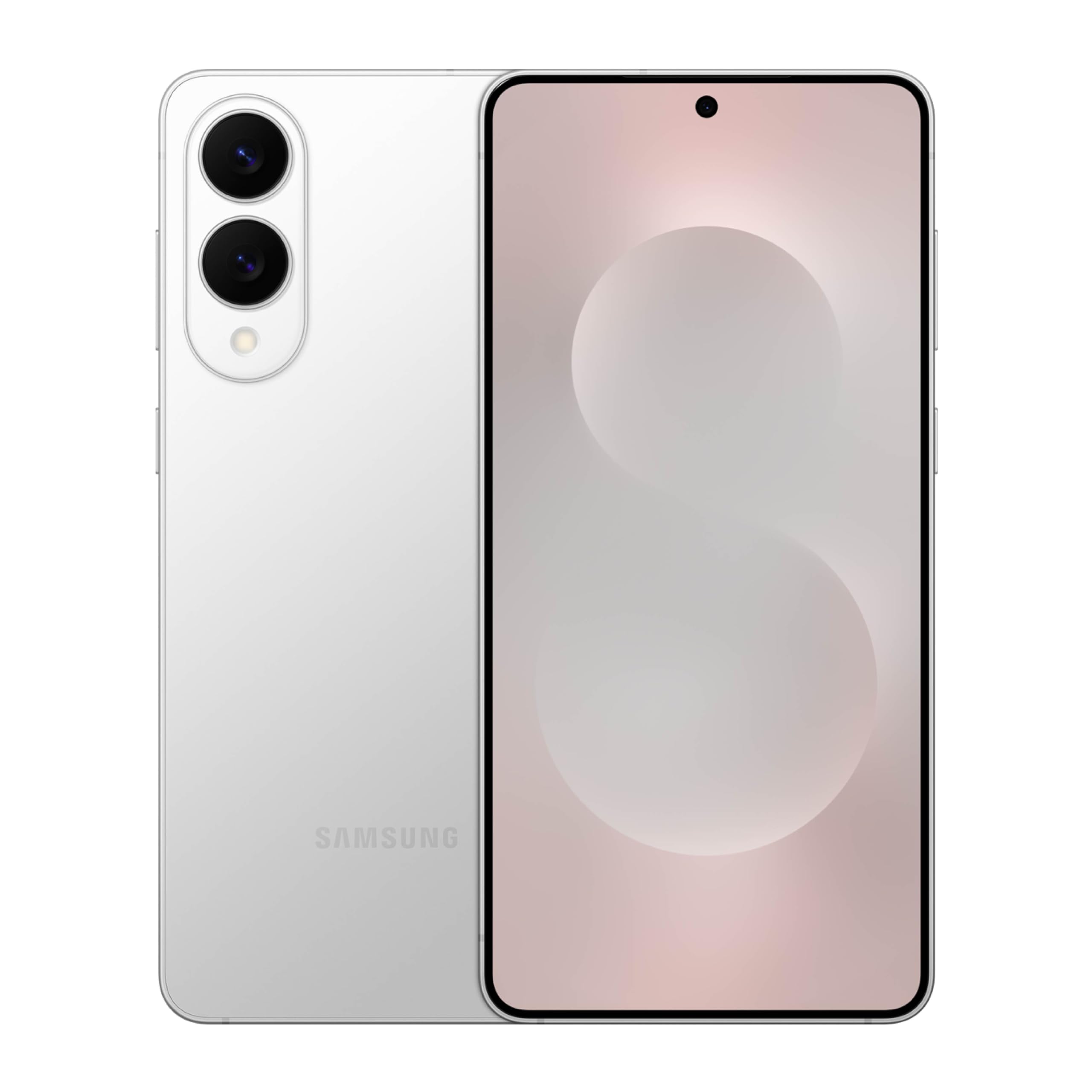
Seven years. That's a remarkably long commitment, and it's one of the Samsung Galaxy S25 Edge's genuine strengths.
Here's what that actually means: if you buy this phone today, Samsung will keep it secure and running the latest Android version until around 2032. That's seven major Android updates (Android 15 through 22) and seven years of monthly security patches.
Why does this matter?
Most phones become security risks or feel outdated within 3-4 years because manufacturers stop updating them. The S25 Edge won't have that problem. You can use this phone for as long as it physically holds up without worrying that you're running vulnerable software.
How does this compare?
Samsung matches Google's Pixel phones with this 7-year commitment. They both lead the Android world. Most other Android manufacturers offer 4-5 years at best, and many still only promise 3 years.
Even Apple typically supports iPhones for about 5-6 years, so Samsung is actually exceeding Apple here.
The real-world benefit:
Let's be honest—most people upgrade every 2-3 years anyway. But for those who want to hold onto a phone longer (either to save money or reduce waste), this guarantee is meaningful. It also helps resale value; a 3-year-old phone with 4 years of updates remaining is worth more than one that's already end-of-life.
One caveat:
Software support is great, but physical hardware still wears out. Your battery will degrade over 7 years. The point is: when you finally need to upgrade, it'll be because of hardware, not because Samsung abandoned you.
We may earn a commission when you buy through these links, at no extra cost to you. How ShopSavvy makes money
How we researched this
Where this comes from: this answer draws on the product's published specifications and the reviews ShopSavvy collected for it, alongside prices from ShopSavvy's price data.
Considering the Galaxy S25 Edge?
Here's our "TLDR" Review
 Download ShopSavvy App
Compare prices across tens of thousands of stores, set price alerts, watch for deals by keyword, and much more.
 Install ShopSavvy Browser Extension
Compare and track prices automatically while you shop online at thousands of websites.
More Answers
If you're still curious about the Galaxy S25 Edge, here are some other answers you might find interesting:
- Who should buy the Samsung Galaxy S25 Edge?
Let me be honest about who the Samsung Galaxy S25 Edge is really for—because it's not for everyone, and that's okay. The S25 Edge is for you if: You've picked...
- What type of display does the Samsung Galaxy S25 Edge have?
The Samsung Galaxy S25 Edge has a beautiful 6.7-inch Dynamic AMOLED 2X display. Let me break down what that actually means in everyday use. The basics: It's a...
- What storage options are available for the Samsung Galaxy S25 Edge?
The Samsung Galaxy S25 Edge comes in two storage sizes: 256GB at $1,099 and 512GB at $1,219. Both have 12GB of RAM. Simple choices, but worth thinking about...
- Is the Samsung Galaxy S25 Edge water resistant?
Yes—the Samsung Galaxy S25 Edge is IP68 rated, which is impressive for a phone this thin. IP68 is the same water resistance rating you'll find on the S25 Ultra...
- Does the Samsung Galaxy S25 Edge support wireless charging?
Yes! The Samsung Galaxy S25 Edge supports wireless charging, and you have a few options for how to use it. The basics: You can plop the S25 Edge on any Qi...
- What processor does the Samsung Galaxy S25 Edge use?
The Samsung Galaxy S25 Edge has the same Snapdragon 8 Elite chip as the S25 Ultra—the most powerful Android processor available. But there's a "but" here, and...
- How does the Samsung Galaxy S25 Edge compare to the Galaxy S25 Plus?
This is actually a really important comparison because these phones have the same screen size but wildly different priorities. The biggest practical...
- Does the Samsung Galaxy S25 Edge have good 5G connectivity?
The Samsung Galaxy S25 Edge supports full 5G and Wi-Fi 7—but I want to be honest about some reported issues. The good news first: On paper and for most people,...
- What AI features does the Samsung Galaxy S25 Edge have?
The Samsung Galaxy S25 Edge has all the same Galaxy AI features as the S25 Ultra—no compromises here. Let me walk you through what that actually means in daily...
- How durable is the Samsung Galaxy S25 Edge?
The Samsung Galaxy S25 Edge is built well—but "durable" depends on what you're worried about. The good news: it won't bend. When Samsung announced a 5.8mm...